Hall of Fame
2010 Inductees
(1953 – 2020)
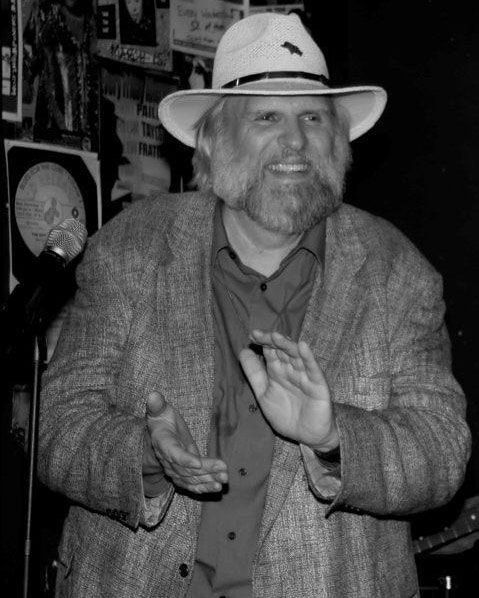
Charlie Baty was born in Birmingham, Alabama in 1953 and started playing harmonica during his high school days in Millbrae, California. While attending UC Berkeley in the early 1970’s, he picked up some harp pointers from Rick Estrin, who was already a veteran on the Bay Area Blues scene. After graduation, Charlie moved to Sacramento to land a job in state government. On the side, he formed Little Charlie and the Nightcats in 1975, named in deference to Little Walter’s first band. Charlie held down the harp position and began to explore the guitar.
In May 1976, Rick asked Charlie for work and moved to Sacramento. For about two years, their double harp attack was prominent but Charlie continued to woodshed, studying Christian recordings and honing his skills. He quickly became a guitar wizard and left the harp licks to Rick.
Charlie is known for his acrobatic finger picking prowess and mastery of many musical styles, including jump, swing, surf, rockabilly, jazz and slow, gutbucket blues. He is considered among the very few best blues guitarists in the modern era and has been the namesake of the band that made Sacramento famous in the blues world.
Inducted 2010
Charlie Baty
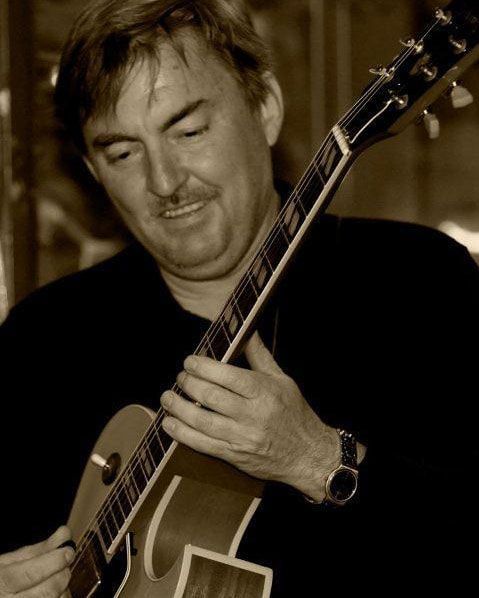
Rick Estrin grew up in San Francisco and started playing harmonica in 1965 at age 16. After dropping out of high school, he roamed the streets near clubs in black neighborhoods soaking up the sounds inside and practicing his harp. His first professional job was opening, as sort of a white novelty act in a black band, at a Hunter’s Point bar. Soon he met bluesman Rodger Collins, who influenced him to develop an energetic stage routine.
In 1976, he moved to Sacramento and hooked up with Charlie Baty and his band, “Little Charlie & the Nightcats.” For a decade they gigged all over the Sacramento and Bay Area, playing clubs like Melarkey’s, Tootsie’s, Vangari’s and the Sacramento Blues Festival. In 1986, the band sent a tape to Alligator Records which immediately launched them into a non-stop touring routine that was to last 30 years. They released nine CDs and became Sacramento’s best-known contribution to the blues world, headlining festivals all over the world. Rick’s witty original tune, “My Next Ex-Wife” won the 1993 Blues Music Award for Song of the Year. After Charlie’s retirement, Rick formed Rick Estrin and the Nightcats, which continues to tour regularly, issue exciting music and represent Sacramento.
In the blues world, Rick is famous for his sharpdressed man look, his wry and thoughtful original songwriting, his unique harp tone reminiscent of the masters, and his soulful vocals.
After the rise of disco and changing to his Muslim name, Omar saw his gigs limited and he sank into obscurity. He relocated to the Fresno area during the 1980’s and despite his distant location, Omar frequently gigged in Sacramento throughout the 80’s at Melarkeys, the Torch Club and the Palms Playhouse in Davis and was the house band for extended stays at Sam’s Hof Brau. In 1992, he moved to Sacramento and for the next 20 years had numerous appearances at Fulton’s Prime Rib and Jazzman’s in Old Sacramento.
Omar appeared at all the major national blues festivals, including many times at San Francisco. He appeared at every Sacramento Blues Festival from 1976-1993 and every Sacramento Heritage Festival held from 1994-2005. Omar also toured nationally and internationally.
Omar’s repertoire includes over 5000 songs and dozens of outstanding, edgy original compositions, many of which involve uncomfortable subjects and brutally honest lyrics. While in Sacramento, Omar recorded 3 CDs for the Have Mercy Label and his songs also appear on both Sacramento Blues compilation CDs. In 1993, his song “House Built By The Blues” was nominated for a Handy award and Sacramento Bee music critic David Barton called it “one of the best songs of any kind to come from a local songwriter” and Omar “one of the country’s best songwriters.”
In 2011, Omar returned to live as a honored musician in his hometown of Marshall, Texas at the request of the mayor, who declared the town “The Boogie Woogie Capital” upon Omar’s return.
Inducted 2010
Rick Estrin
(?? – 2002)
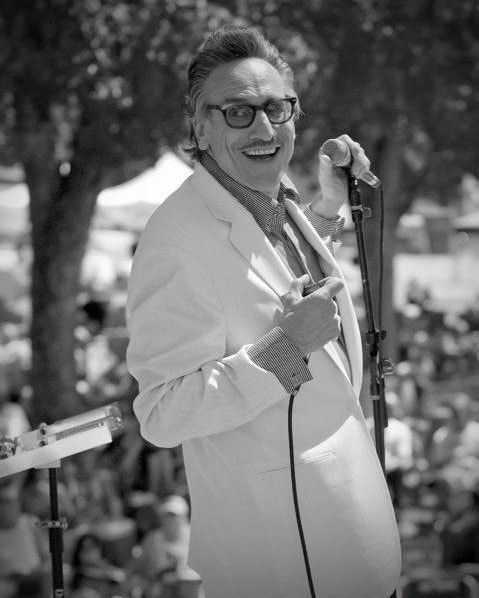
PHIL GIVANT was one of the seminal figures in Sacramento blues history and over a lifetime earned a national reputation as a blues expert. He was a mathematics professor at American River College for 41 years and a “blues professor” for nearly that long, teaching countless numbers of blues fans through his radio shows and festival productions from the mid-1970’s until his passing in 2002.
Phil was a co-founder of the Sacramento Blues Society in 1979. It is said the first meeting was in the living room of his Carmichael home. Phil cofounded the Sacramento Blues Festival in 1976, one of the few major blues festivals in the nation at that time. He produced the annual festivals from 1976 to 1993.
Inducted 2010
Phil Givant
(1950 – 2016)
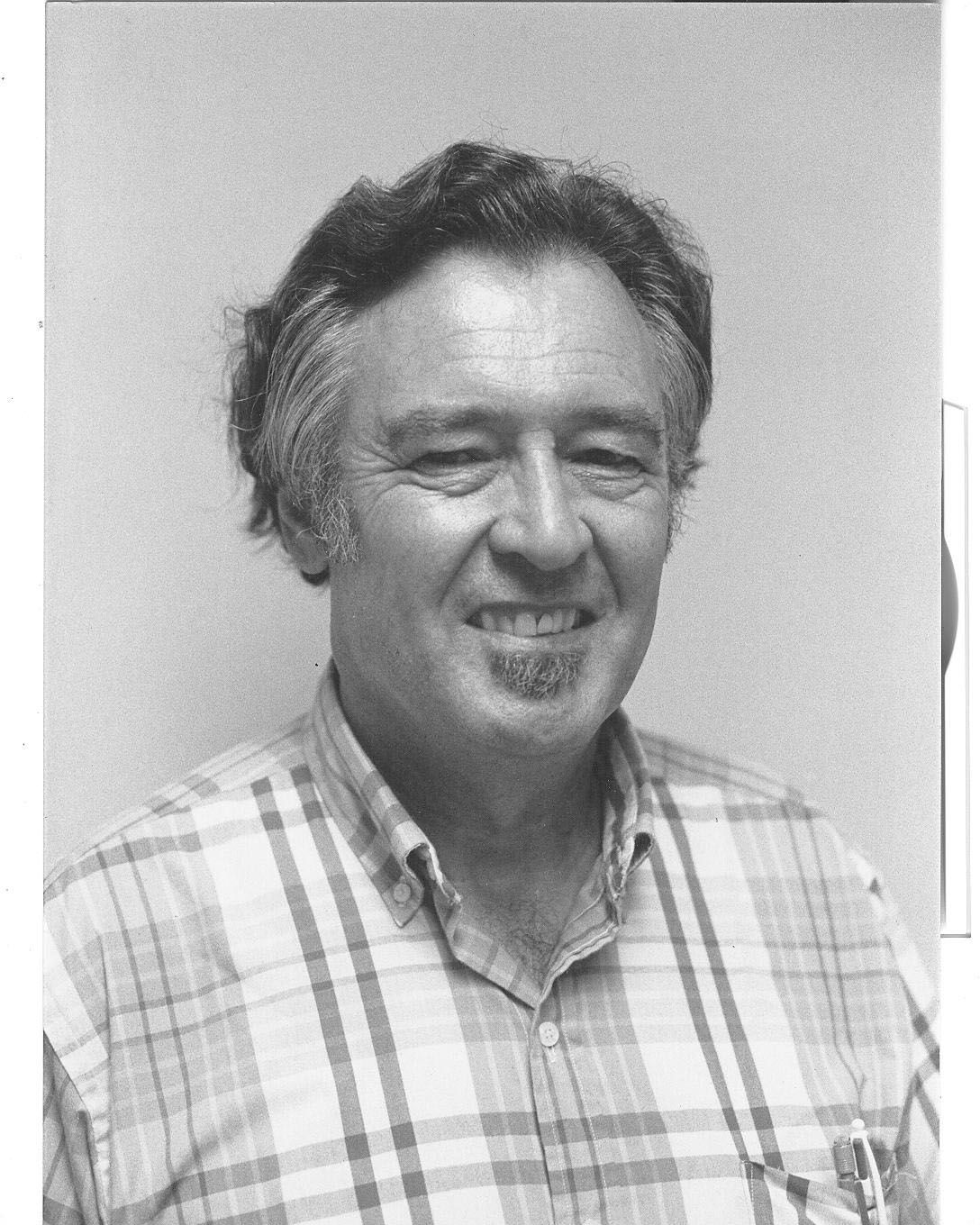
Born in Oakland, California in 1950, Johnny was the oldest child in a family led by Jack Knox, a local guitarist and former radio personality who had broadcast from his home as a teenager in the 1 9 4 0 ’ s . His dad encouraged him to learn music and he got his first guitar at the age of 14. Johnny moved to Sacramento to play the blues and while watching and playing with Little Charlie Baty and Rick Estrin, he started honing his skills in harmonica accompaniment. This prompted them to head down to Moon Studio to record their new 45’s. With Little Charlie and the Nightcats backing him in the studio, Johnny recorded the Muddy Waters classic “Honey Bee”, as well as Freddie King’s “Tore Down”, which Johnny re-released as a CD in 2010. Like many of his peers from that era, Johnny was no stranger to substance abuse issues, and went through a long spell where he would hit the streets daily with his guitar for his daily hustle. Through local musician Ray “Catfish” Copeland, Johnny met Mike Balma, local blues promoter/producer, at the Chicago Blues Fest ‘91, who soon booked studio time for a record. With a mix of solo tracks as well as additional tracks with backing by upright bassist Greg Roberts, Rick Estrin on harmonica, and Copeland on guitar, the record was released as “Johnny Guitar Knox, Hoboin’,” and won an award in Denmark!
Local guitarist Kenny Marchese sums it up nicely when he says “Johnny gave his help and support to the Sacramento blues scene by teaching and encouraging the younger players, and Sacramento has returned the favor by helping Johnny recover what he had tossed.”
Inducted 2010
Johnny “GUITAR” Knox
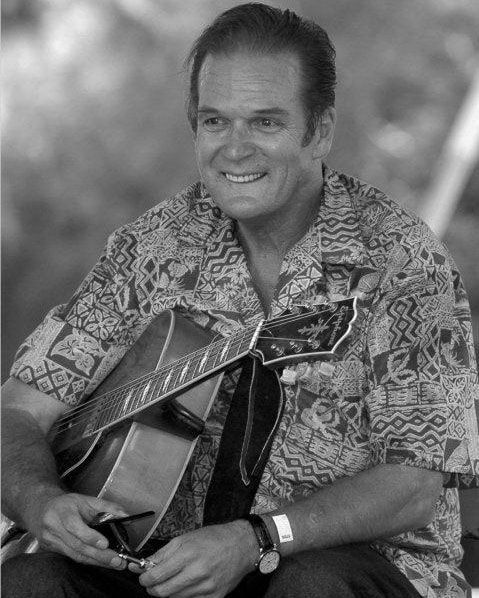
MICK MARTIN has played blues harmonica professionally since 1968 and, since 1983, led “Mick Martin and the Blues Rockers.” Mick was an original co-founder of the Sacramento Blues Society, but had to rescind his presence due to conflicts of interest. He performed at Carnegie Hall for the nationally-broadcast “Blues in Jazz” concert with mentor Jimmy Smith, Jimmy Witherspoon, Grover Washington Jr., Carrie Smith and Mark Whitfield in 1994.
Mick shared the “Best West Coast Blues Harmonica Player” nod with Mark Hummel in 2001. Mick Martin and the Blues Rockers have won the Sacramento Area Music Award (a.k.a. the SAMMIES) for “Best Blues Band” three times, thus entitling them to a place in the SAMMIES Hall of Fame.
Mick has been producing and hosting the Blues for over 20 years, beginning with “The KZAP Blues Show” in August of 1989. He joined the staff of KXJZ in July 1991 to create “Mick Martin’s Blues Party,” currently heard on Saturdays from 1-5 p.m. Mick also serves as clinician for SBS Blues in the Schools program.
Inducted 2010
Mick Martin