(1929 – 2012)
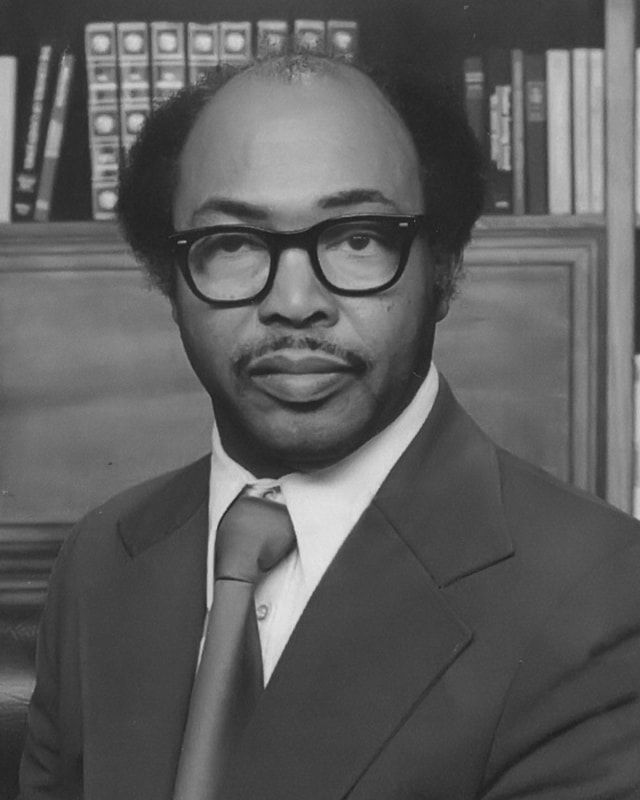
For more than 40 years, Al Arnett was the bass player of choice and an important part of the rhythm section which built the Sacramento blues scene.
Born in Georgia and raised in Cleveland, Al started playing guitar professionally in 1947, wearing a fake beard and mustache to disguise his age. In 1960, he switched to bass guitar and, as an Air Force serviceman, played in bands composed of the best military musicians. During his overseas tours, he worked bases in France and Japan, often playing 6-7 nights a week. In Japan, he met and worked with guitarist Gene Chambers (later to become a Sacramento resident and Sacramento Blues Hall of Famer) and they backed visiting stars, including Lou Rawls and Sam and Dave.
In 1972, he moved to Sacramento and, along with Gene Chambers and drummer Marshall “Soulman” Jones formed the core rhythm section for multiple Sacramento bands. Al typically worked in two or thee bands at a time for many years, some which endured for more than 20 years. Al played with the Dave Bonds Rhythm & Blues Band (considered for several years the top Sacramento band), the Blues Express, Blues Ambassadors, Soul of the Blues (Glenn Lane’s band), Nate Shiner Big Blues Revue, Bits and Pieces and many others. Al also led Everyday People, another solid, long-time Sacramento blues band.
Al played most of the Sacramento Blues Festivals and many of the Sacramento Heritage Festivals in multiple bands. He’s backed Little Milton, Lowell Fulson, Jimmy McCracklin, Roy Brown and countless other local and national blues luminaries. He also recorded with the Blues Ambassadors, Glenn Lane, Arbess Williams, Johnny Heartsman and Omar Sharriff.
Al is best-known as the bass player that “everybody wants to play with”.
Inducted 2012
Al Arnett
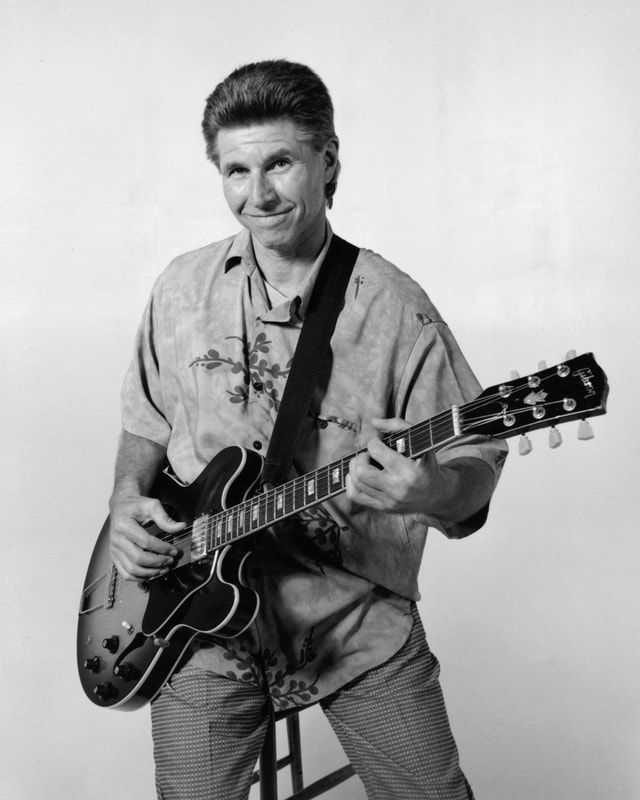
Born and raised in California, Ray Copeland moved to Sacramento in 1967 and began playing guitar, where he soon met up with a local group of musicians called the Sunland Blues Band. Their Guitarist Steve Samuels helped Ray get going with some blues ba-sics.
In 1976, Ray formed a band called Quick-shake, where he met blues harmonica ace and guitarist Little Charlie Baty, who taught Ray all the correct chord forms for backing Charlie’s harmonica. Charles joined the band and the name soon changed to Little Charlie and the Nightcats. During the late 70´s Ray played with The Nate Shiner Blues Band and then got an opportunity through local blues promoter Phil Givant to go on tour with blues piano legend Floyd Dixon, followed by a short stint as guitar player for Mark St. Mary. In 1980 Ray was introduced to musician Johnny “Guitar” Knox (Hall of Fame inductee) and the band called The Blue Flames was formed. The Blue Flames performed in the area until 1999, even though Ray had left in 1985. During the next 10 years Ray managed a Tower Re-cords store in Sacramento and played occasionally at the Sacramento Blues Festival and a few local es-tablishments. Ray has performed on stage with blues notables Big Momma Thornton, Luther Tucker, Elvin Bishop, William Clark, Rod Piazza, Little Joe Blue, Buddy Ace, Johnny Heartsman, Little Charlie Baty, Rick Estrin, (Hall of Fame Inductees) Kenny “Blue” Ray and many other great musicians.
Catfish and the Crawdaddies formed in 1995 and play a wide range of blues including Chicago, Texas, New Orleans, and West Coast styles, in addition to some old school Rock´n´Roll. They have been a popular attraction at the Sacramento Jazz Jubilee for the last 15 years and played several years at the world famous “Saloon” in San Francisco. Catfish and the Crawdaddies have released three self-produced recordings, for which they have received high reviews and numerous awards.
Inducted 2012
Ray “Catfish” Copeland
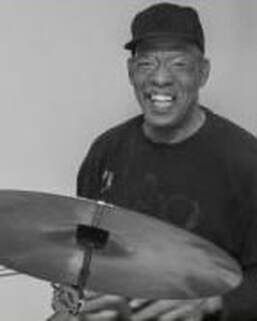
For more than 30 years, Marshall Jones was the drummer of choice and an important part of the rhythm section which built the Sacramento blues scene. Born in Natchitoches, Louisiana, Marshall started drumming to accompany the country music he heard as a kid. After moving to Oakland in 1995, he met Johnny Heartsman (HOF inductee), his next door neighbor, and started playing blues. He began his professional career in 1959-60 with Johnny’s band and developed his skills in Bay Area nightclubs, backing visiting national artists and jamming.
In the ‘70s, he moved to Sacramento and met harmonica player Johnny Ayers, who introduced him to Dave Bonds, Al Arnett and Gene Chambers (HOF inductee). Together, they first formed the Dave Bonds Rhythm & Blues Band, which was the most popular Sacramento band at the time. They played the Sacramento Blues Festival and backed many visiting musicians, including Little Milton. After Bonds found religion and moved to Los Angeles, Al, Gene and Marshall stuck together and formed the core rhythm section for multiple Sacramento blues bands that have endured for more than 20years. He was the leader of The Blues Express and The Blues Ambassadors throughout the 1980’s and 1990’s and played with many other local bands such as Nate Shiner’s Big Blues Revue.
Marshall played most of the Sacramento Blues Festivals and many of the Sacramento Heritage Festivals. He also recorded with the Blues Ambassadors and Glenn Lane.
Inducted 2012
Marshall “Soulman” Jones
(1946 – 2014)
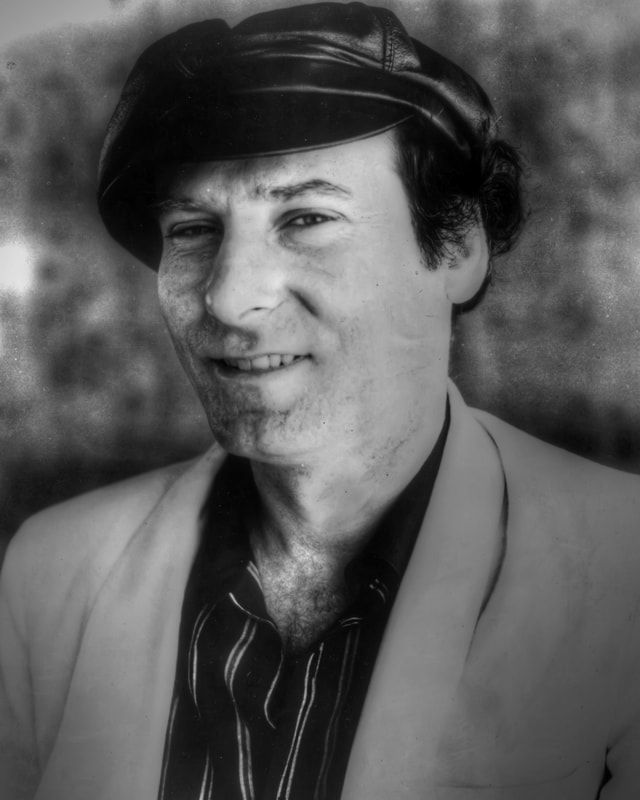
Known as one of Sacramento’s best blues guitarists/ v o c a l i s t s , St e v e Samuels was an important contributor to Sacramento’s reputation as a blues town. Born without a left hand, his arm ended just below the elbow. Nevertheless, he utilized it like a one fingered wrist and picked a right hander’s guitar by holding it upside down and backwards.
Steve grew up in Sacramento, started playing guitar at 17, discovered B.B.King and the blues at 19 and was a professional by age 20. In the late.60’s, Steve played guitar for Sacramento’s legendary blues band of exceptional local players, The Sunland Blues Band. In 1969, he sat in with The Muddy Waters’ Band for a gig in Berkeley and was invited back for Muddy’s gigs the next two days. In 1970, he started his own band, The Steve Samuels Blues Revue, and played regularly at many Sacramento area clubs, including Tootsie’s, Vangari’s, Melarkey’s and the Torch Club. He played nearly all of the Sacramento Blues Festivals as either a leader or sideman and his band was featured seven times from 1979-1989.
Steve has released two excellent LPs. In 1985, he recorded On The Corner Of Blues And Swing, backed by former members of the Mighty Flyers Band, along with William Clarke, pianist David Fraser, his brother Andrew Samuels (of Sacramento country-rock band Redwing) and special guest, Sacramento vocalist Bobby “Blues” Ray. He wrote two of the cuts. In 1994, he recorded Saturday Night Blues, which also included David Fraser and William Clarke. He also backed Bobby “Blues” Ray on “Your Friends” which appears on the Sacramento Blues compilation CD.
Inducted 2012
Steve Samuels
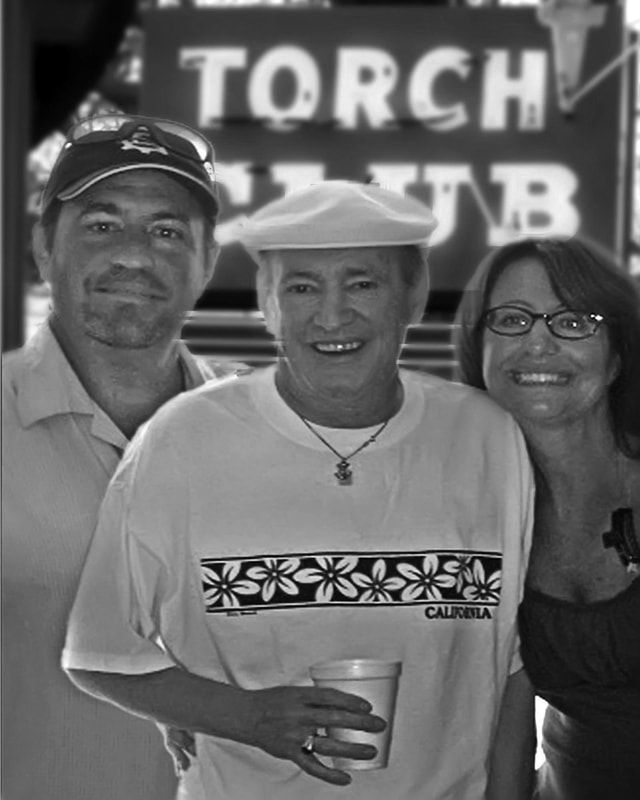
The Torch Club was one of the first bars in Sacra-mento, established in 1934, the year prohibi-tion ended. Frank Texeira bought it in 1969, when it was origi-nally called The Tumble Inn. It had an upstairs sporting bar where pa-trons would place their bets on horse racing and the fights, and “ladies of the evening” were waiting for those who won. When the “fallen doves” didn’t have any busi-ness, they would come downstairs & sing torch songs at the piano located there. Thus it became known as “The Torch” although it is not known when the name officially changed.
There were also live jazz and lingerie shows held there, as well as a competitive art show that became so popular it was televised on the local TV stations. Frank was a gam-bler and fight manager who died in 1980 in Del Mar, where he had gone to retire. The slogan “known from Maine to Spain” became recognized in association with the Torch Club, which is attributed to the late Frank Texeira.
Looking at the display cases and pictures on the walls at the Torch, one can realize the sense of what was past. Ron moved the club in1982 from its original location at 8th & L Street forsaking the last “watering hole for politicians” who took an easy stroll from dinner at Frank Fat’s to drinks at the Torch Club. It was at this time people came to the Torch Club partly for the jukebox that was known for its 45 records in addition to the socializing over drinks. Over the years, music was gradually added, first by a live DJ, and eventually bands, notably The Beer Dawgs, by Ronnie Texeira, Ron’s son. That’s when Sam’s Hof Brau on J Street closed and there weren’t any other blues clubs around.
Marina Texeira, daughter of Ron, soon joined her father and brother and was instrumental in bringing in nationally known blues acts every day of the week. Their dad Ron passed away in May 2009. Since then, Marina has hosted various musical events for non-profit organizations and benefits at the Torch Club, always caring for the Blues Family at large. This club has continued to keep its jovial charm but has evolved into more than just a bar but also a community treasure. It is now going into its 12th year at the current location on 15th Street between I and J Streets.
Inducted 2012
Torch Club / Texeira Family